From the soil of India, through our factory, to your family — and onward to the world.
Why India's GI-Tagged Products Are in Worldwide Demand
Darjeeling tea, Kashmiri saffron, Malabar pepper and Lakadong turmeric carry a promise no other region can copy. Here is why India's GI-tagged products are winning buyers around the world.
Darjeeling tea, Basmati rice, Kashmiri saffron, Malabar pepper and Alphonso mangoes are known far beyond India. What they share is a special label called a Geographical Indication, or GI tag. It tells buyers that a product comes from a specific place and has qualities that come from that place.
In this guide, we explain in simple English what GI tags are, why India's GI-tagged products are in demand around the world, which spices carry GI tags, and what this means for farmers, exporters and buyers.
Quick Answer
A GI tag is a legal label that links a product to its region of origin and protects its name from imitation. India now has more than 800 registered GIs, including teas, rice, fruits, spices and handicrafts. Global buyers value GI products because they guarantee authenticity, consistent quality, a unique taste or craft, and a real story of origin. These qualities let GI products earn higher prices and enter premium markets.
What Is a GI Tag?
A Geographical Indication is a sign used on products that come from a specific geographical area and have qualities, a reputation or characteristics because of that origin. Only producers from that area who meet the standards can use the name.
In India, GIs are protected under the Geographical Indications of Goods (Registration and Protection) Act, 1999, which came into force in 2003. Darjeeling Tea was the first product to receive a GI tag in India, in 2004.
Internationally, GIs are recognised under the World Trade Organization's TRIPS Agreement, which helps protect the names of famous products in other countries.
India's GI Story in Numbers
More than 800 registered GIs in India, with over 600 granted since 2014
Handicrafts form the largest group (about 445), followed by agricultural products (about 251), food items, manufactured goods and natural goods
125 new GIs were registered in 2025-26 alone, led by Madhya Pradesh and West Bengal
Authorised users rose from about 365 to around 29,000 over ten years
India aims for 10,000 GI registrations by 2030
Why the World Wants India's GI Products
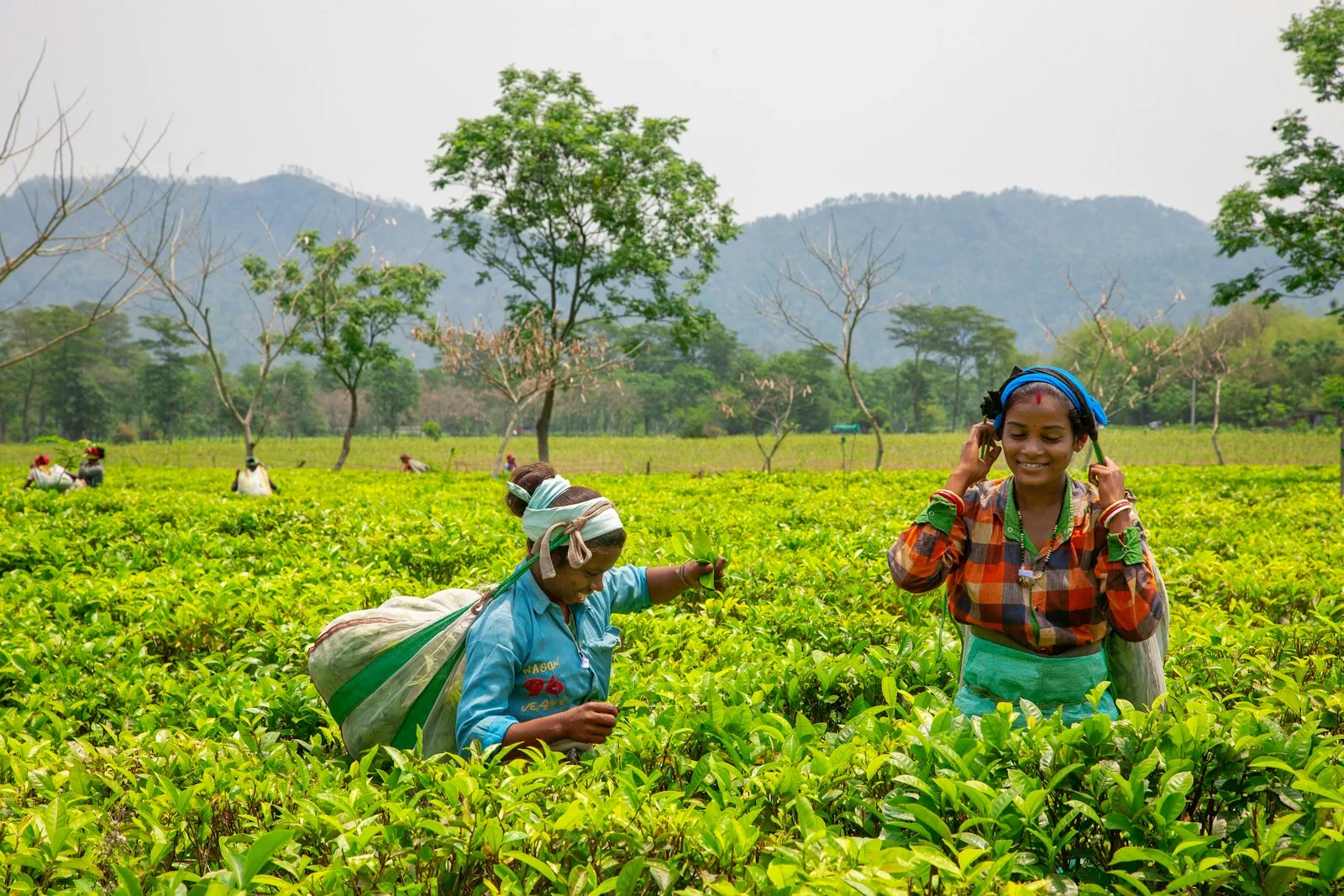
Women harvesting tea leaves: GI products carry the skill and story of their region
1. Guaranteed Authenticity
Global buyers are tired of fake and mislabelled food. A GI tag tells them exactly where a product comes from and that it meets defined standards. For premium products like saffron, tea and rice, this trust is worth paying for.
2. A Taste No One Can Copy
GI products owe their character to their land: the soil, climate, altitude, water and traditional methods. Darjeeling tea's muscatel aroma, Kashmiri saffron's deep colour and Malabar pepper's bold pungency come from where they grow. Other regions cannot simply copy these qualities.
3. A Story That Sells
Modern consumers want to know the story behind their food: who grew it, where and how. GI products come with centuries of history and craft, which makes them perfect for premium retail, gourmet restaurants and gifting.
4. Premium Prices and Better Farmer Income
Because buyers trust GI products, they are often willing to pay more. Government reports from 2026 note examples such as Karnataka GI fruits entering the Maldives with 40-50% higher returns for farmers, and Tezpur Litchi reaching Dubai at around 10% higher prices for growers.
5. Legal Protection Against Imitation
A GI tag stops others from using the name for products made elsewhere. This protects the reputation that farmers and artisans have built over generations.
6. Research Shows It Works
A study published by the Indian Institute of Management Bangalore, using Indian export data from 2004 to 2016, found that GI registration had a strong positive effect on agricultural exports, especially where transport infrastructure was good.
Famous GI-Tagged Indian Spices
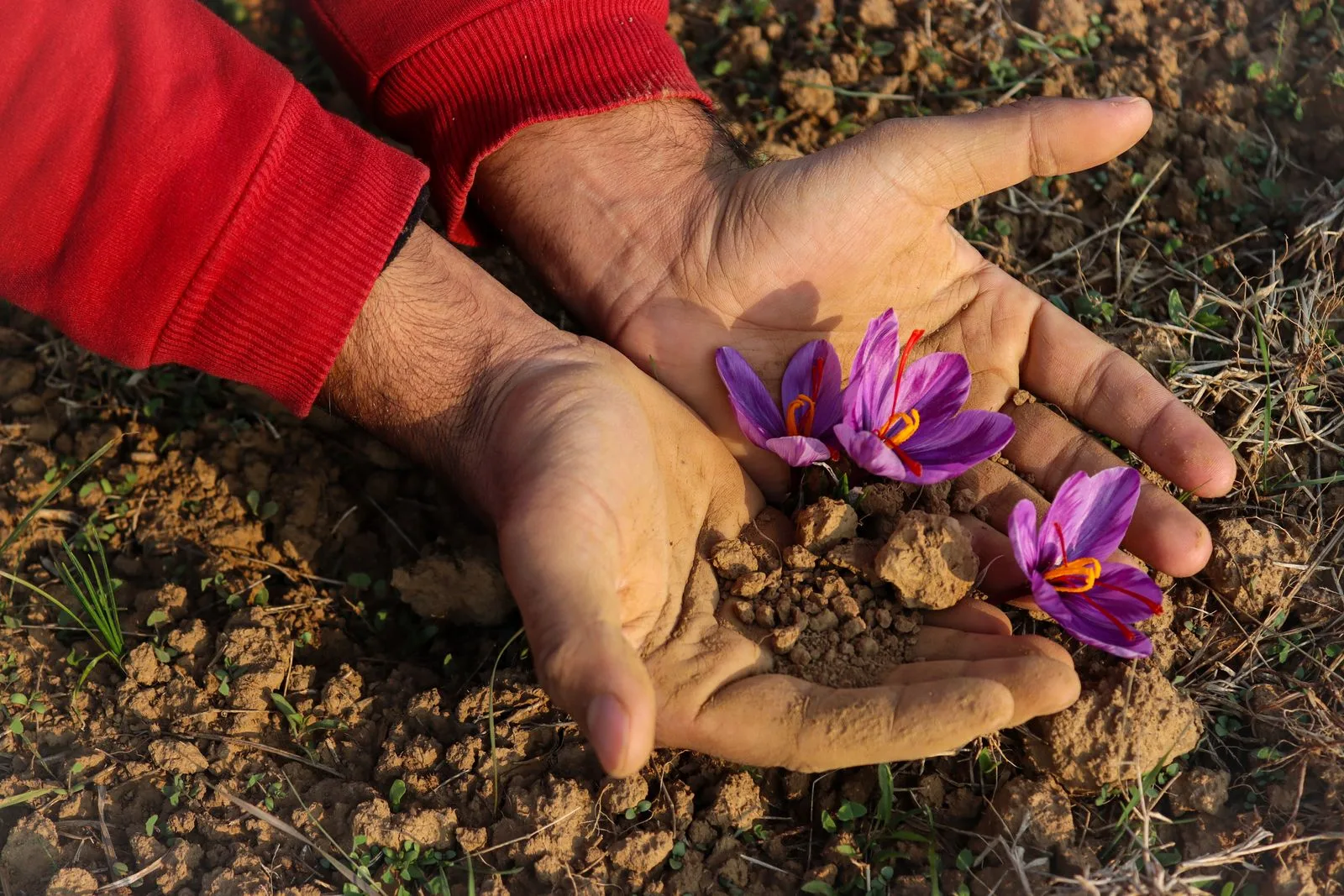
Saffron flowers harvested in the fields of Pampore, home of GI-tagged Kashmir Saffron
India's spice basket includes many GI-tagged treasures:
Kashmir Saffron (Jammu and Kashmir): grown in the Pampore region, known for its deep red threads, strong colour and aroma
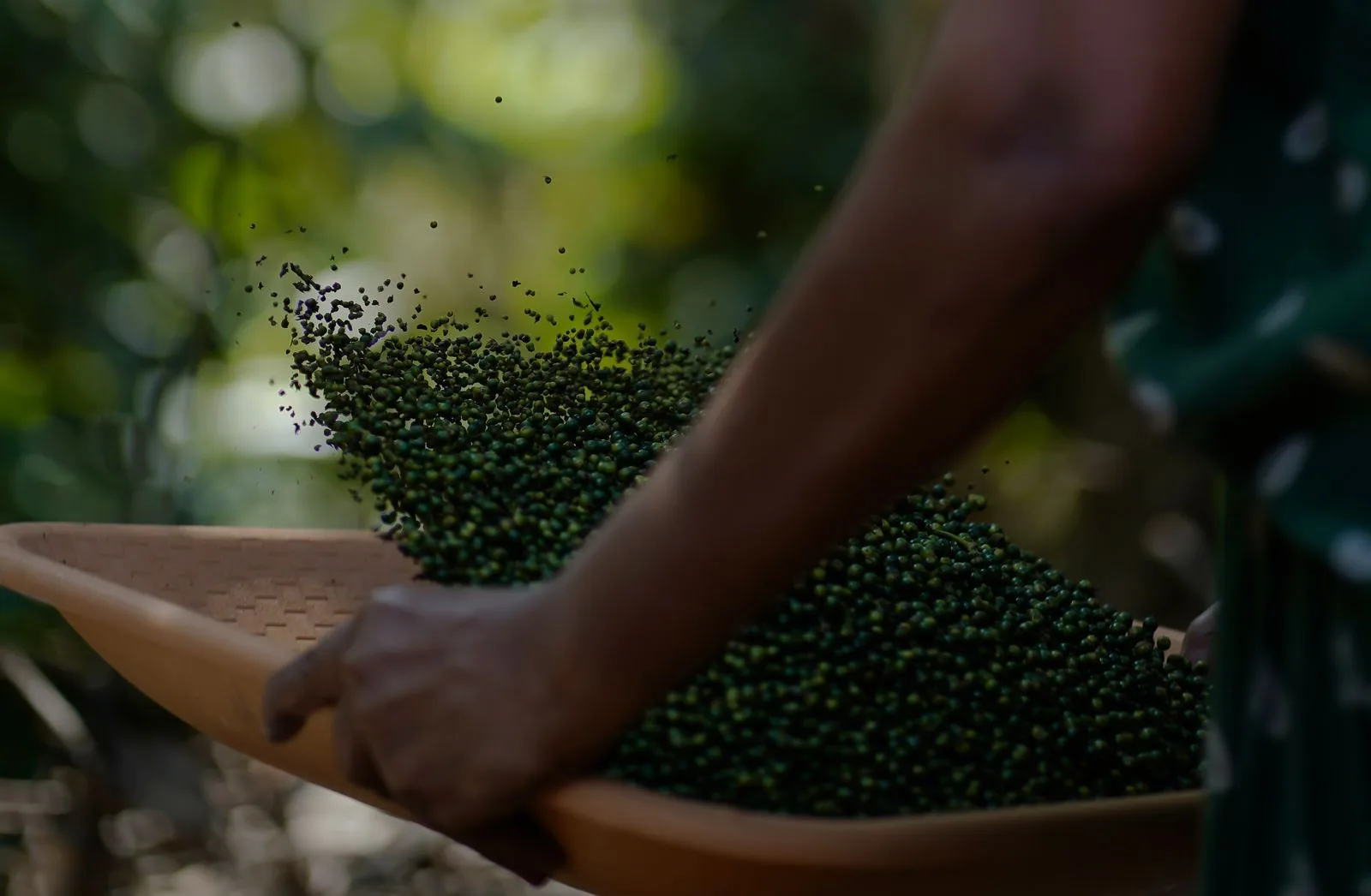
Malabar Pepper (Kerala): one of the world's most famous black peppers, prized for its bold flavour
Alleppey Green Cardamom (Kerala): large, green, aromatic pods
Coorg Green Cardamom (Karnataka): grown in the hills of Kodagu
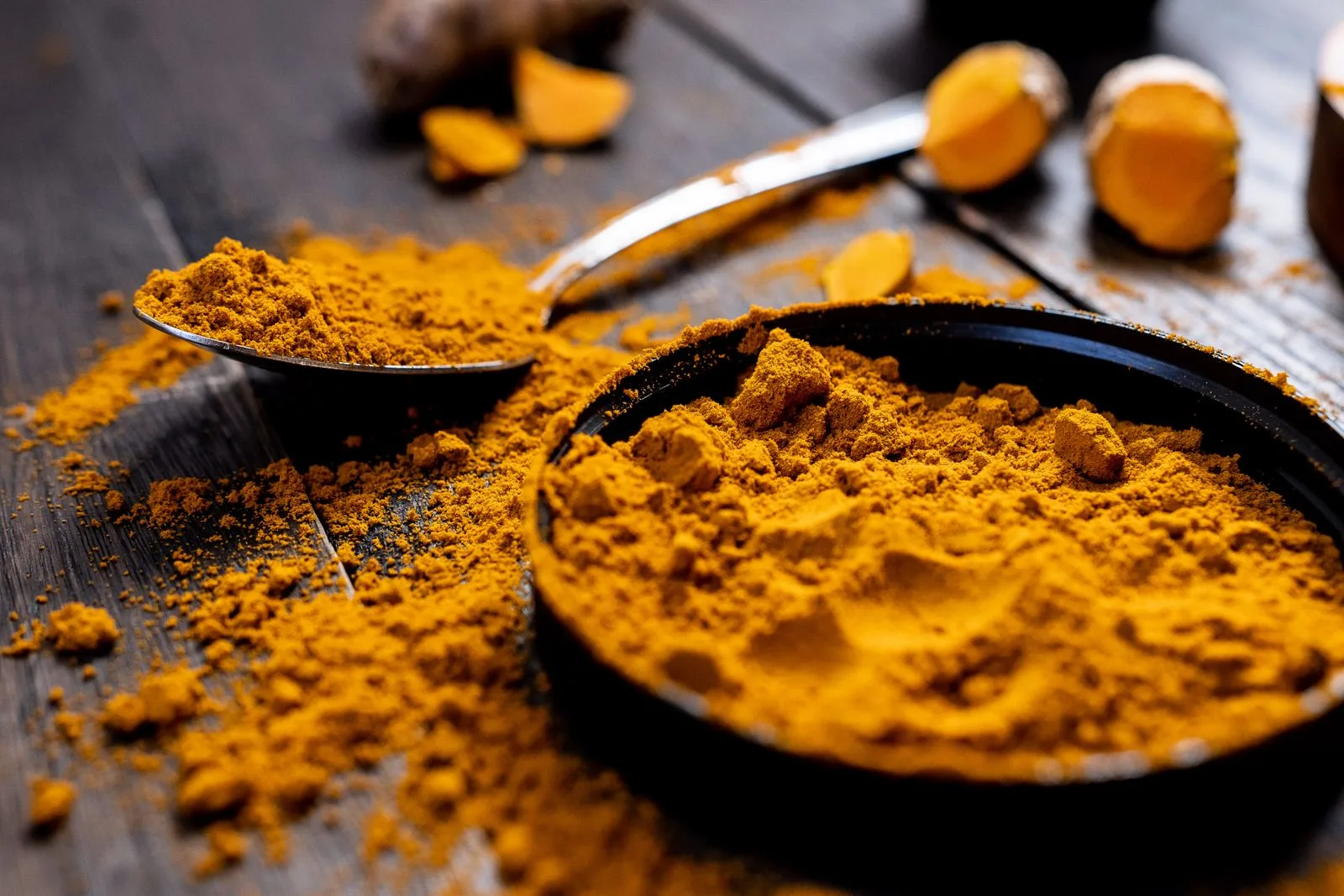
Lakadong Turmeric (Meghalaya): famous for its high curcumin content
Erode Turmeric (Tamil Nadu): a well-known trading turmeric with bright colour
Byadgi Chilli (Karnataka): deep red colour with mild heat, valued for natural colour
Naga Mircha (Nagaland): one of the hottest chillies in the world
Other GI Stars That Travel the World
Black pepper being harvested in Kerala, home of GI-tagged Malabar Pepper
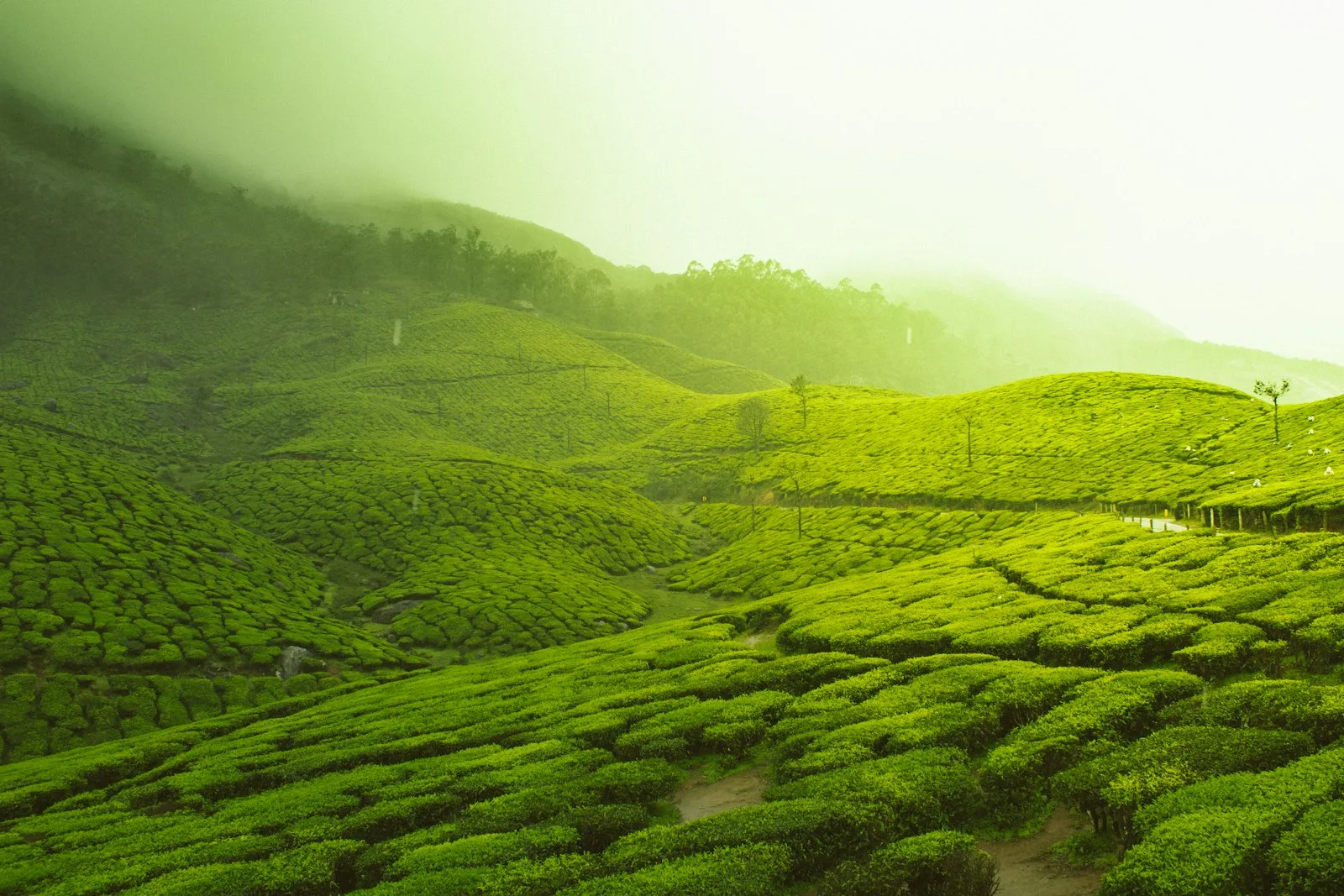
Darjeeling Tea: often called the "champagne of teas"
Basmati Rice: long-grain aromatic rice from the Indo-Gangetic plains
Alphonso Mango: the famous Hapus from Ratnagiri and nearby areas
Kala Namak Rice, Joha Rice and Shahi Litchi: rising stars in new export markets
Handicrafts: Banarasi sarees, Pashmina, Kanchipuram silk, Channapatna toys and many more
New Markets Opening for GI Products
Government agencies like APEDA are helping GI products reach new buyers. Recent examples include:
Joha Rice from Assam reaching the UK and Italy
Salem Sago reaching Canada
Tezpur Litchi reaching Dubai
Indi Lime from Karnataka reaching Oman after the India-Oman trade agreement
Muzaffarnagar Jaggery reaching Bangladesh through a farmer producer company
Leading destinations for GI products include the UK, Italy, the UAE, Bahrain, Qatar, the USA and South Korea.
How the Government Supports GI Products
Lower fees: A 2025 rule change cut GI filing fees by 80% and renewal fees from ₹3,000 to ₹500
Registration support: MSMEs can get reimbursement of GI registration costs, up to ₹2 lakh per GI
Market access: One Station One Product counters at railway stations, PM Ekta Malls and GI trails for tourists
Export promotion: APEDA helps with quality, buyer-seller meets and international trade fairs
Challenges to Solve
GI products still face some hurdles. Many farmers do not yet register as authorised users. Fake products still appear in markets. Quality checks, branding, packaging and traceability need to improve so that every GI product lives up to its promise. Stronger enforcement and better awareness among buyers will help GI products earn the premium they deserve.
What GI Tags Mean for Buyers
For importers, retailers and chefs, buying a genuine GI product means:
Authentic origin you can explain to your customers
Distinct, consistent flavour and quality
A premium story that supports higher shelf prices
Supporting farming communities and traditional knowledge
Always ask for proof of origin and, where possible, buy from authorised users or their partners.
Frequently Asked Questions
What is a GI tag?
A Geographical Indication tag is a legal label that shows a product comes from a specific region and has qualities linked to that region. It protects the product's name from misuse.
How many GI tags does India have?
India has more than 800 registered GIs, with 125 new registrations in 2025-26 alone.
Which was India's first GI product?
Darjeeling Tea was the first product in India to receive a GI tag, in 2004.
Which Indian spices have GI tags?
Examples include Kashmir Saffron, Malabar Pepper, Alleppey Green Cardamom, Coorg Green Cardamom, Lakadong Turmeric, Erode Turmeric, Byadgi Chilli and Naga Mircha.
Do GI products sell at higher prices?
Often, yes. Because buyers trust their origin and quality, GI products can command premium prices, and government reports show farmers earning higher returns in new export markets.
Conclusion
India's GI-tagged products are more than goods. They carry the soil, climate and skill of their regions, and the world is ready to pay for that authenticity. As more farmers register, quality improves and new markets open, GI products can become one of India's strongest export brands.
At INFOTOM, we are proud to bring India's finest regional spices to global buyers, with clear origin, careful handling and quality that honours the land they come from.
Sources: PIB, "GI Tags: Scaling Traditional Wealth into Global Brands" (August 2026); GI Registry data reported for 2025-26; IIM Bangalore Management Review, "Blessing of Geography: Impact of Geographical Indications on Agricultural Exports in India"; GKToday on APEDA GI exports.