From the soil of India, through our factory, to your family — and onward to the world.
Less Is More: How Organically Grown Spices Bring Richer Flavour to Every Dish
Organic spices grow with fewer chemical inputs, and that can mean more aroma, more colour and more flavour in your cooking. Here is the simple science behind why less can really be more.
Many chefs and home cooks say the same thing: a pinch of good organic spice can do the work of a spoonful of ordinary spice. The aroma is stronger, the colour is deeper and the taste lasts longer in the dish.
Is this just a feeling, or is there science behind it? In this guide, we explain in simple English how organic farming can bring richer flavour to spices, what research says, and how to choose, store and use organic spices to get the most from every pinch.
Quick Answer
A spice's flavour comes from natural compounds like essential oils, curcumin in turmeric, piperine in pepper and capsaicin in chilli. Plants make many of these compounds to protect themselves. When spices grow organically, with fewer synthetic fertilisers and no synthetic pesticides, plants often grow a little slower and invest more in these protective compounds. Research on organic crops has found higher levels of antioxidants and lower pesticide residues on average. Flavour also depends on the variety, soil, climate, harvest time and processing, so good organic practice and good handling work together.
What Gives a Spice Its Flavour?
Spices are mostly plant parts like seeds, bark, roots, fruits and flowers. Their taste and smell come from secondary metabolites, natural chemicals the plant does not need to grow but uses to survive.
Essential oils (volatile oils): give aroma, like the smell of cardamom, cumin or clove
Curcuminoids: give turmeric its colour and earthy taste
Piperine: gives black pepper its bite
Capsaicin: gives chilli its heat
Crocin and safranal: give saffron its colour and aroma
Plants make these compounds to fight insects, fungi and harsh weather. In a way, flavour is the plant's natural defence system.
The Science of "Less Is More"
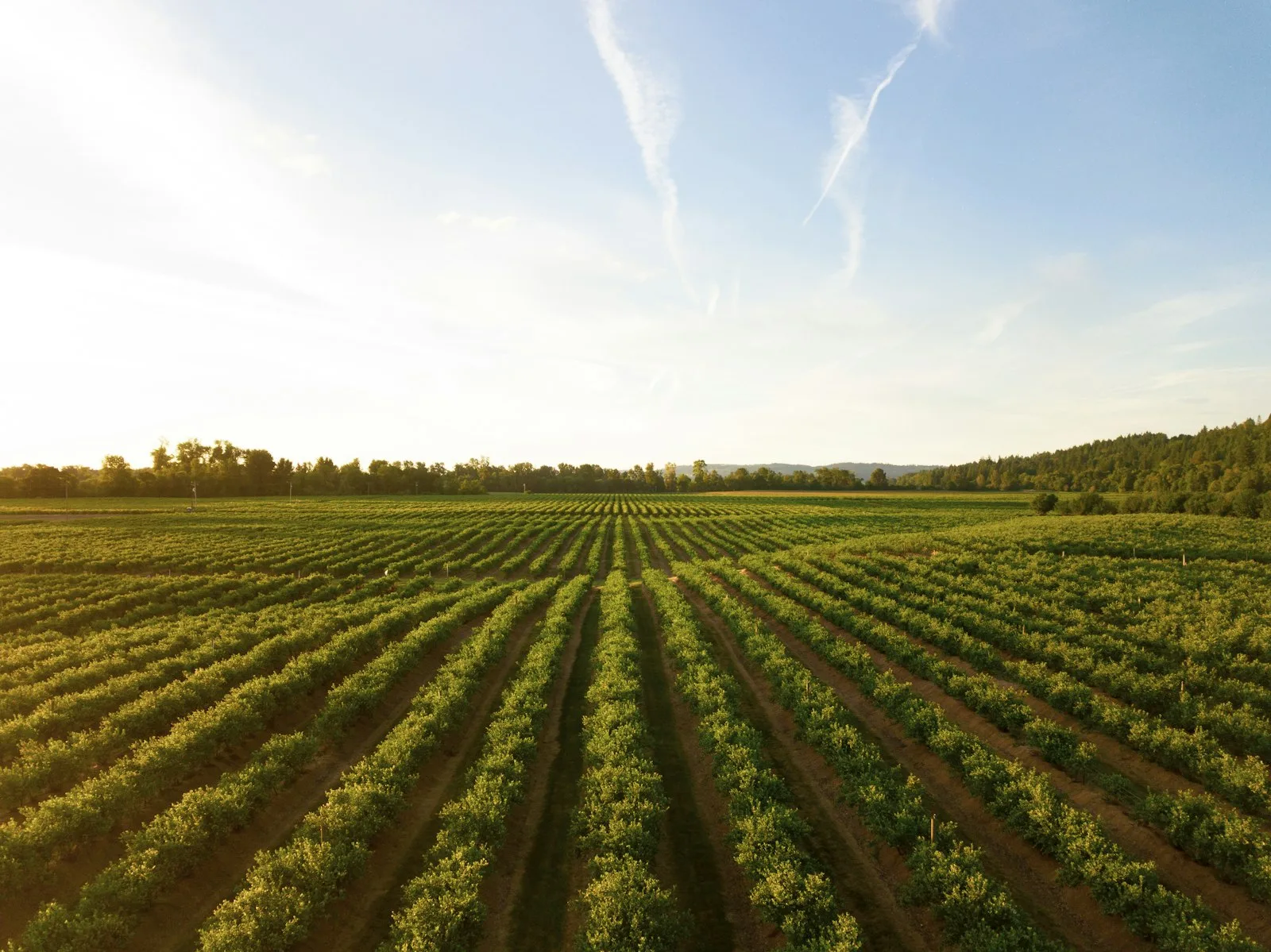
Healthy, living soil is the starting point for rich, flavourful spices
1. Slower Growth, More Flavour Compounds
Synthetic nitrogen fertilisers make plants grow fast and leafy. Plant scientists describe a trade-off: when a plant has plenty of easy nitrogen, it spends more energy on growth. When nutrients come slowly from compost and manure, as in organic farming, the plant grows more steadily and puts more of its energy into protective compounds, many of which carry flavour and aroma.
2. Natural Stress Builds Natural Defences
Without synthetic pesticides, organic plants face some pressure from insects and fungi. This mild stress encourages them to make more defensive compounds such as polyphenols and essential oils. A widely cited 2014 analysis of 343 studies, published in the British Journal of Nutrition, found that organic crops contained higher levels of antioxidants on average than conventional crops.
3. Living Soil
Organic farming builds soil with compost, crop rotation and natural inputs. Healthy soil full of microbes supplies a wider range of minerals and trace elements, which supports the plant's natural chemistry.
4. Cleaner Taste
The same 2014 analysis found that pesticide residues were found much less often on organic crops. Fewer residues mean the spice's natural flavour comes through without any chemical aftertaste.
Being Honest: Organic Is Not the Only Factor
Organic farming can help, but flavour also depends on:
Variety: Some varieties are naturally richer, such as high-curcumin turmeric from Meghalaya
Soil and climate: The same spice grown in different places can taste different
Harvest time: Spices picked at full maturity have more oil and flavour
Drying and processing: Slow, careful drying keeps volatile oils; overheating destroys them
Storage and age: Ground spices lose aroma within months if stored badly
This is why the best organic spices come from good farms and careful handling from field to pack.
Why You Need Less Organic Spice in Your Cooking
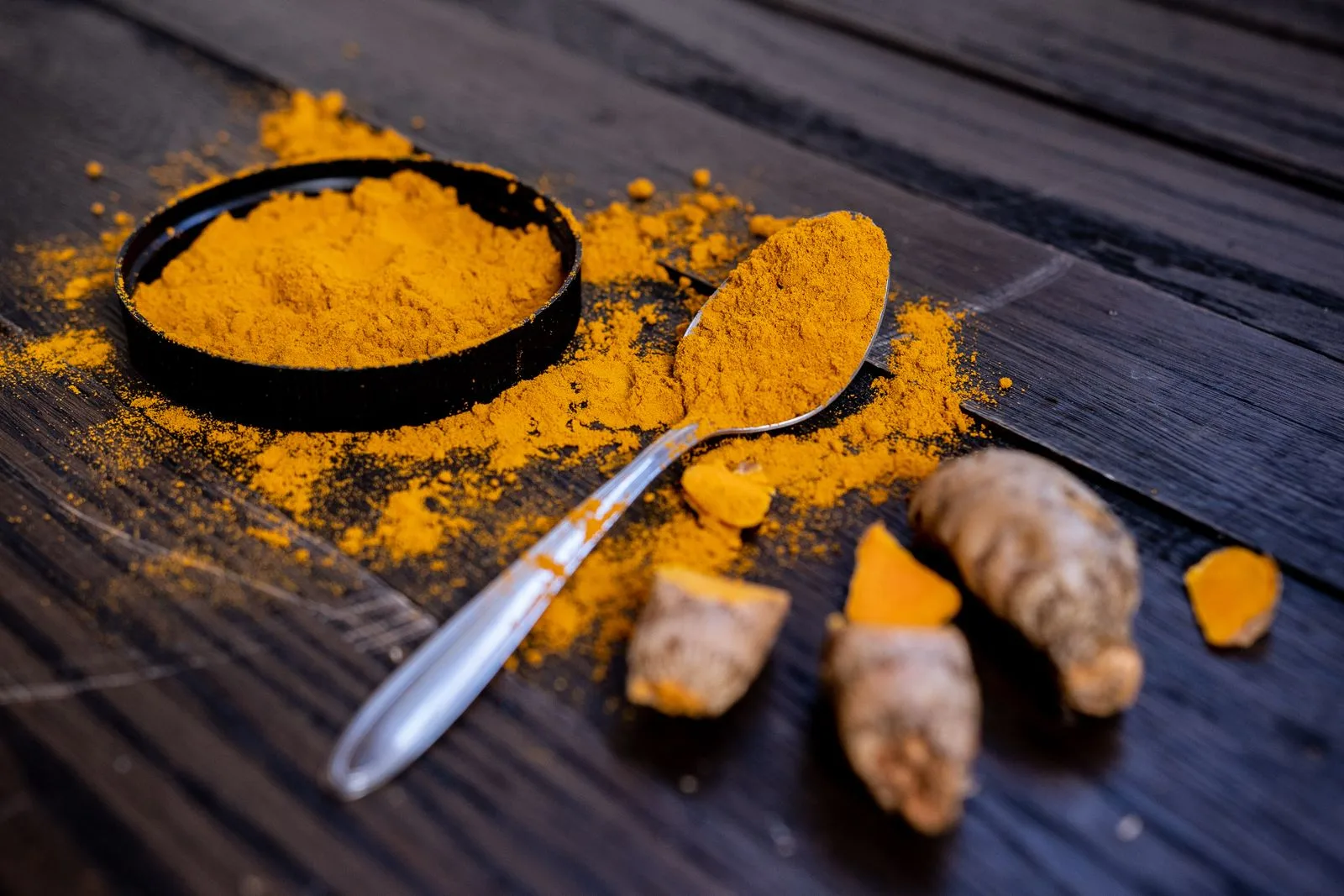
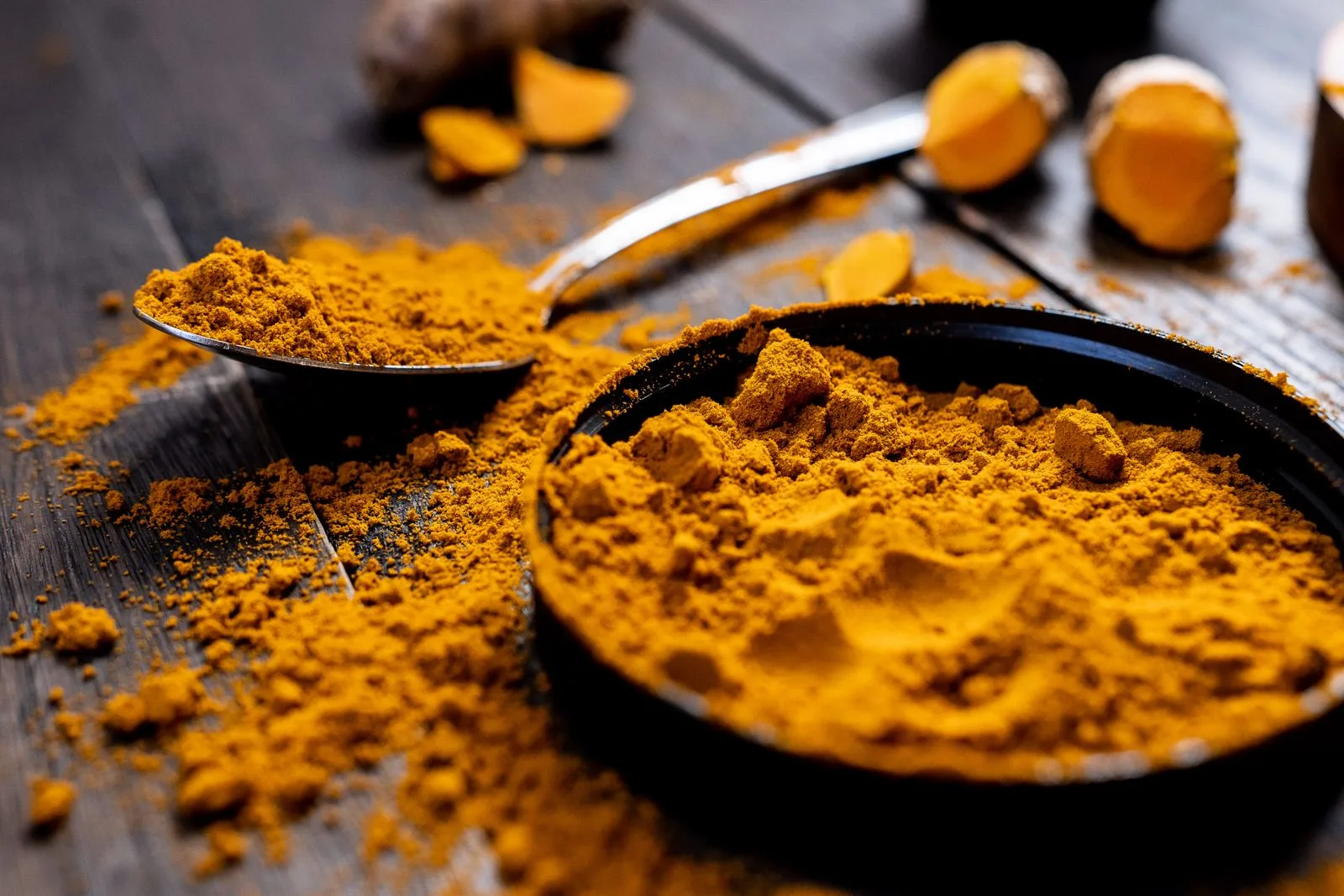
Turmeric root and powder: rich colour and aroma mean a smaller pinch goes a long way
When a spice is rich in essential oils and natural pigments, a smaller amount gives the same or better result. This is the real meaning of "less is more":
Turmeric: a smaller pinch gives a deep golden colour and earthy aroma
Cumin: fewer seeds release a strong, warm aroma when tempered in oil
Black pepper: freshly ground organic pepper gives bright heat with fruity notes
Cardamom: one or two pods can flavour a whole pot of chai
Chilli: rich colour with balanced heat, not just burning spice
Start with less than your usual amount, taste, then add more if needed. Many cooks find they use less and enjoy a cleaner, more layered flavour.
How to Get the Most Flavour From Organic Spices
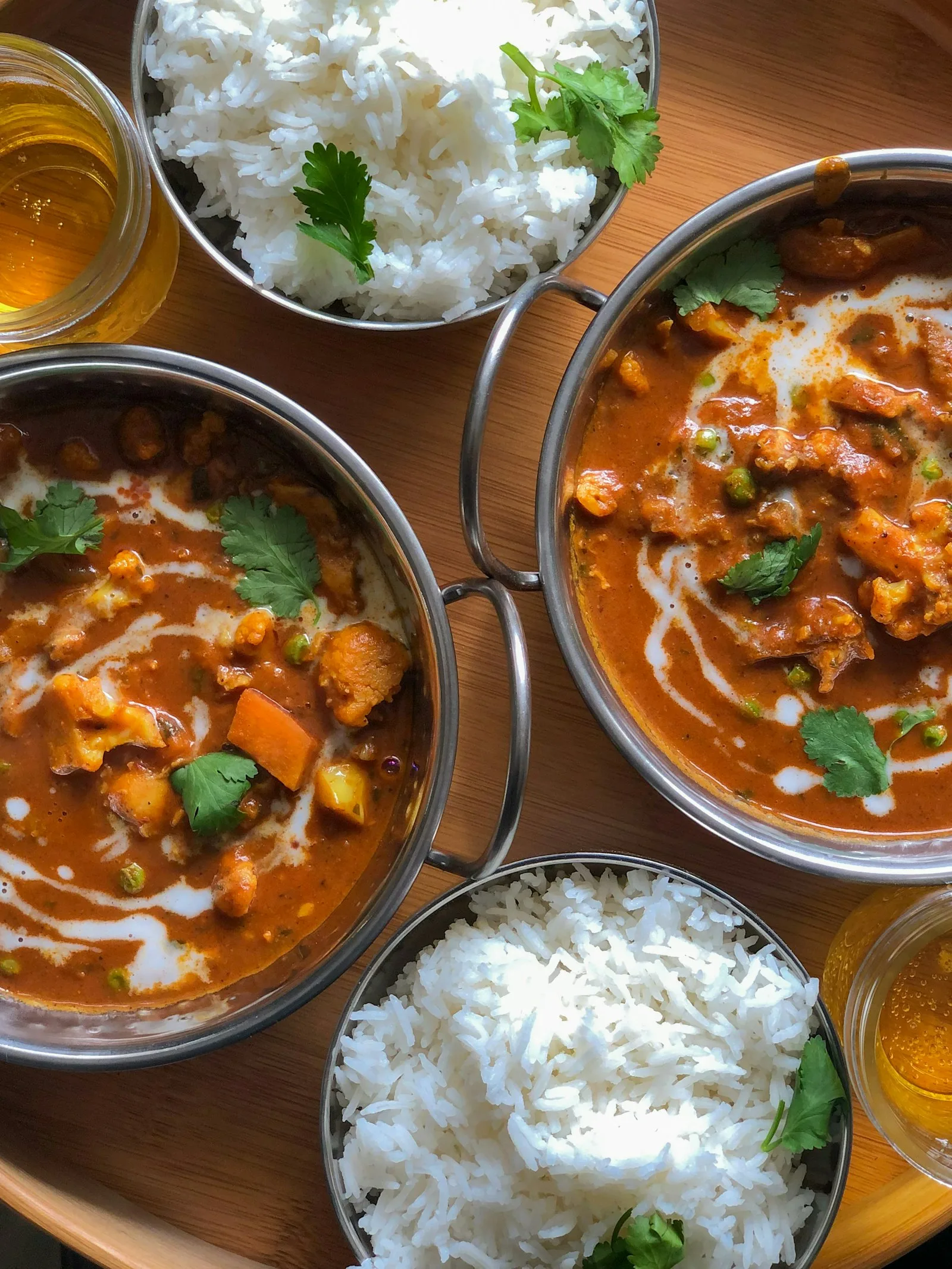
A well-spiced Indian dish: the right spice at the right time brings out the best flavour
1. Buy whole when possible. Whole spices hold their oils much longer than powders. Grind small amounts as you need them.
2. Toast or temper. Heating whole spices in a dry pan or in hot oil (tadka) releases their essential oils.
3. Add at the right time. Whole spices go in early; delicate ground spices and garam masala go in near the end to keep their aroma.
4. Pair turmeric with pepper and fat. Black pepper and a little oil or ghee help bring out turmeric's flavour and colour.
5. Store well. Use airtight glass jars, away from heat, sunlight and moisture. Buy smaller packs more often.
How to Choose Genuine Organic Spices
Look for certification marks: India Organic (NPOP), Jaivik Bharat for the Indian market, and USDA Organic or EU Organic for export markets
Check the batch number, packing date and FSSAI licence on the pack
Choose sellers who share where and how the spice was grown
Smell the spice: a strong, fresh aroma is a good sign of quality
Good for People, Good for the Planet
Organic spice farming also protects soil, water and farm workers from synthetic chemicals, and it supports biodiversity on the farm. In India, many spices grow in hilly and forest regions where traditional, low-input farming has been practised for generations. Sikkim became India's first fully organic state in 2016, showing how organic farming can work at scale.
Frequently Asked Questions
Do organic spices really taste better?
Many cooks find organic spices more aromatic and flavourful. Research shows organic crops often have higher antioxidant levels and fewer pesticide residues, but variety, freshness and processing also strongly affect taste.
Why do I need to use less organic spice?
Spices rich in essential oils and natural pigments give more flavour and colour per gram, so a smaller amount can be enough.
How can I tell if a spice is truly organic?
Look for a recognised certification such as India Organic, Jaivik Bharat, USDA Organic or EU Organic, along with batch details and an FSSAI licence.
How long do organic spices stay fresh?
Whole spices can keep good flavour for one to two years if stored well. Ground spices are best used within about six months.
Conclusion
Organic spices remind us that great flavour starts in the soil. When plants grow at their natural pace, protected by healthy soil and their own natural defences, they produce the oils and colours that make our food come alive. That is why a little organic spice can go a long way.
At INFOTOM, we work with growers who respect the land, and we handle every batch carefully so that the natural aroma, colour and flavour reach your kitchen intact.
Sources: Barański et al., "Higher antioxidant and lower cadmium concentrations and lower incidence of pesticide residues in organically grown crops", British Journal of Nutrition (2014); APEDA National Programme for Organic Production (NPOP); Government of Sikkim organic mission.